
Introduction
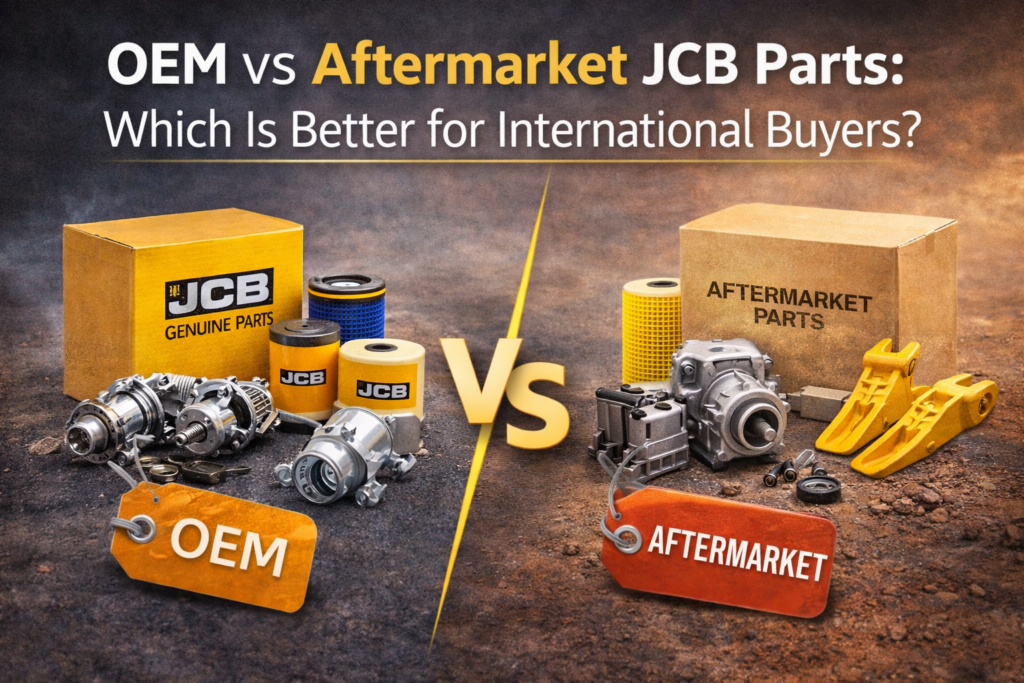
For international buyers sourcing spare parts for JCB machines, one of the most common and important questions is:
Should I buy OEM parts or aftermarket parts?
The answer is not always straightforward. Factors such as cost, availability, machine age, operating conditions, and country-specific logistics all influence the decision. Understanding the difference between OEM and aftermarket JCB parts helps buyers make smarter purchasing decisions, avoid downtime, and optimize maintenance costs.
This guide breaks down OEM vs aftermarket JCB parts from an international buyer’s perspective, helping dealers, contractors, rental companies, and importers choose what works best for their business.
What Are OEM JCB Parts?
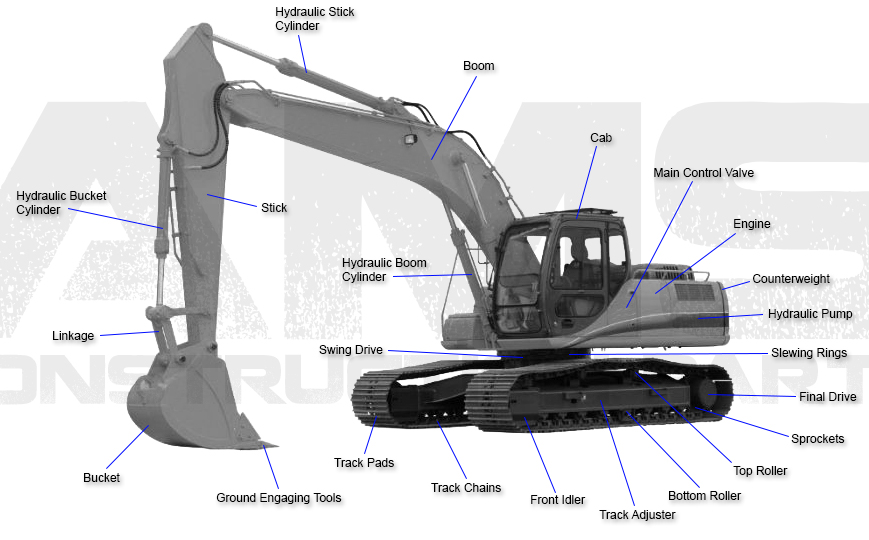
OEM (Original Equipment Manufacturer) parts are components produced by or officially approved by the original machine manufacturer. These parts are designed specifically for JCB machines and match the original specifications used during assembly.
Key Characteristics of OEM JCB Parts:
- Manufactured to original design standards
- Guaranteed compatibility
- Supplied through authorized channels
- Higher price point
- Strong brand trust
OEM parts are often preferred for new machines, warranty-covered equipment, or critical components where precision and reliability are essential.
What Are Aftermarket JCB Parts?
Aftermarket parts are manufactured by independent companies and are designed to fit and function like OEM parts. They are widely used in international markets due to their cost efficiency and availability.
Key Characteristics of Aftermarket JCB Parts:
- Produced by third-party manufacturers
- Compatible with JCB machines
- Competitive pricing
- Wide range of suppliers
- Quality varies based on manufacturer
Many high-quality aftermarket parts meet or exceed functional requirements, making them a popular choice for export markets and cost-sensitive buyers.
OEM vs Aftermarket: A Side-by-Side Comparison
| Factor | OEM JCB Parts | Aftermarket JCB Parts |
|---|---|---|
| Price | High | Lower (20–50% savings) |
| Availability | Limited in some regions | Widely available |
| Quality Consistency | Guaranteed | Depends on supplier |
| Warranty Impact | Fully compliant | May affect warranty |
| Export Flexibility | Restricted | Easier for global trade |
Why International Buyers Often Choose Aftermarket Parts
For buyers in Africa, the Middle East, Southeast Asia, and Latin America, aftermarket JCB parts offer several practical advantages:
1.Cost Efficiency
Import duties, shipping, and currency fluctuations already increase landed costs. Aftermarket parts help buyers maintain profitability while keeping machines operational.
2. Faster Availability
OEM supply chains can be slow or restricted in certain regions. Aftermarket suppliers often stock parts locally or ship faster.
3. Ideal for Older Machines
Many JCB machines in international markets are 5–15 years old, where OEM warranties no longer apply. Aftermarket parts are a logical and economical choice.
4. Bulk Purchasing for Dealers
Distributors and traders benefit from:
- Better margins
- Easier MOQ negotiations
- Private labeling options
When OEM JCB Parts Make More Sense
Despite the advantages of aftermarket parts, OEM components remain the best choice in specific situations:
- New machines under warranty
- Critical safety components
- Engine and electronic control systems
- Government or large infrastructure projects requiring OEM compliance
For these cases, buyers prioritize risk reduction over cost savings.
Common Aftermarket JCB Parts in Global Demand
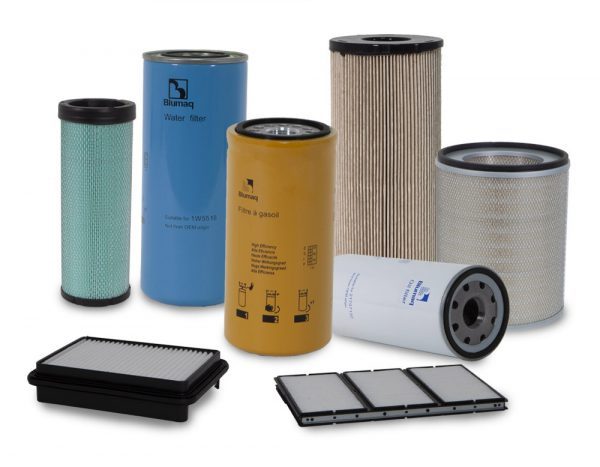
High-demand aftermarket categories include:
- Hydraulic pumps and seals
- Filters (air, fuel, oil)
- Engine components
- Brake parts
- Wear parts (bucket teeth, cutting edges)
- Electrical switches and sensors
These parts experience frequent wear and replacement, making aftermarket options highly practical.
How to Choose the Right Aftermarket JCB Parts Supplier
Not all aftermarket parts are the same. International buyers should evaluate suppliers based on:
- Manufacturing standards
- Material quality
- Part number accuracy
- Export experience
- Packaging and labeling
- Consistent supply capability
A reliable supplier ensures performance, longevity, and reduced machine downtime.
OEM + Aftermarket: A Smart Hybrid Strategy
Many international buyers successfully use a hybrid approach:
- OEM parts for critical systems
- Aftermarket parts for routine maintenance
This strategy balances cost control and operational reliability, especially for fleets operating in demanding environments.
The Role of Digital Marketing in Parts Sourcing
Today, most international buyers:
- Search suppliers online
- Compare product specifications digitally
- Request quotes through websites
Clear product information, transparent communication, and educational content help buyers confidently choose between OEM and aftermarket options.
Conclusion
There is no universal answer to whether OEM or aftermarket JCB parts are better—it depends on machine condition, usage, budget, and region.
- OEM parts offer assurance and compliance
- Aftermarket parts offer flexibility, affordability, and availability
For international buyers, the best choice is an informed choice backed by reliable suppliers and a clear understanding of application needs.
At Lagom Business Development LLP, we specialize in helping JCB and aftermarket parts businesses connect with the right global buyers through focused digital marketing strategies.