
Entering global markets is a natural growth step for JCB aftermarket parts manufacturers. Demand for cost-effective alternatives to OEM parts is rising across Africa, the Middle East, Southeast Asia, Latin America, and parts of Europe.
Yet, despite strong manufacturing capability and competitive pricing, many manufacturers fail to succeed internationally.
The reason is rarely product alone. Most failures happen due to strategic, operational, and marketing mistakes made during global expansion.
This blog highlights the top mistakes JCB aftermarket parts manufacturers make when entering global markets—and more importantly, how to avoid them.
Mistake #1: Assuming Global Buyers Think Like Local Buyers
One of the biggest mistakes manufacturers make is assuming that international buyers behave like domestic customers.
Reality:
- Global buyers compare multiple countries
- Trust and credibility matter more than price
- Clear communication is critical
- Buyers expect export readiness
Ignoring cultural differences, buying cycles, and expectations leads to lost opportunities.
✅ What to Do Instead:
- Understand regional buyer behavior
- Adapt messaging for distributors vs end users
- Focus on trust, not just pricing
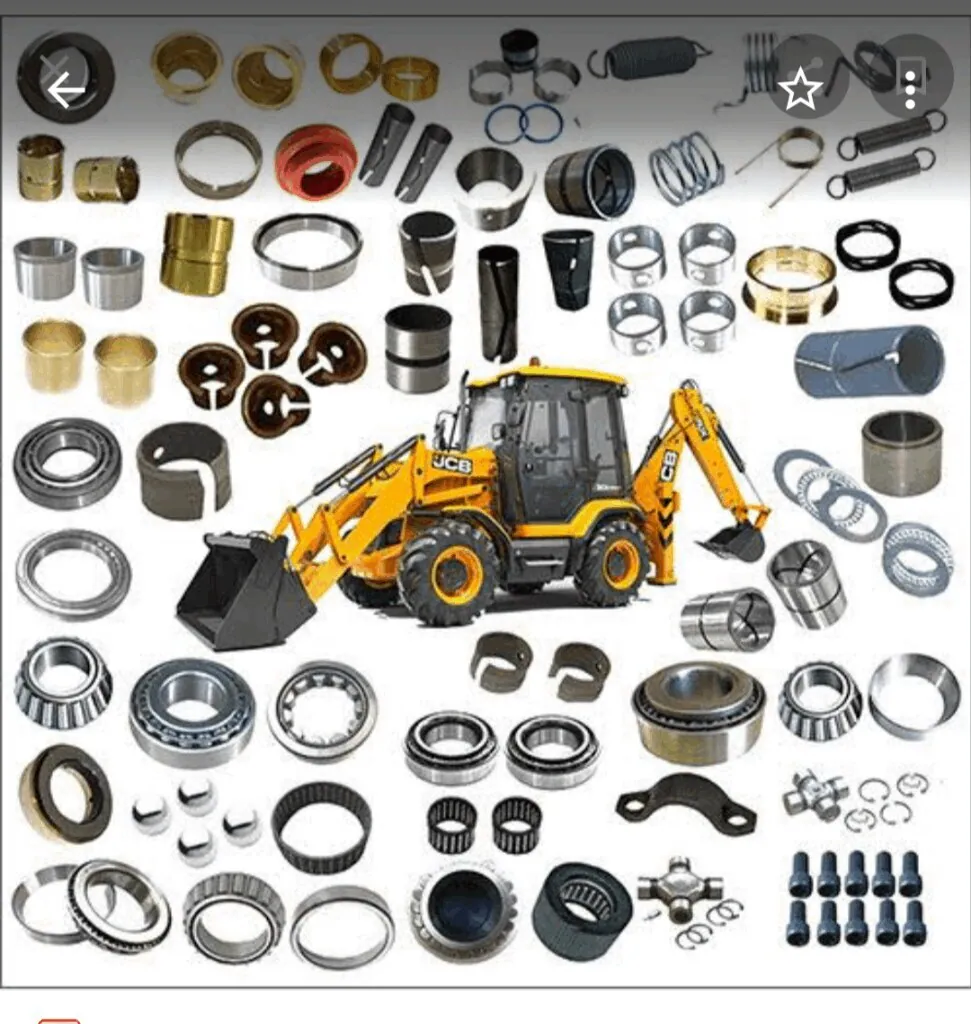
Mistake #2: Poor Product Identification & Part Number Accuracy
International buyers rely heavily on:
- OEM reference numbers
- Compatibility charts
- Machine model clarity
Even a small mismatch in part numbers can cause:
- Returns
- Payment disputes
- Loss of buyer trust
Mistake #3: Inconsistent Quality Control
Many manufacturers deliver good samples but fail to maintain consistency in bulk orders.
International buyers quickly reject suppliers when:
- Quality varies batch to batch
- Materials are downgraded
- Finishing differs from samples
Why This Is Dangerous:
Global buyers depend on long-term suppliers. One bad shipment can permanently end a relationship.
✅ Solution:
- Standardized QC processes
- Material traceability
- Pre-dispatch inspection documentation
Mistake #4: Ignoring Export Compliance & Documentation
Manufacturers often underestimate:
- HS code accuracy
- Country-specific import requirements
- Labeling norms
- Packaging standards
Errors here lead to:
- Customs delays
- Demurrage charges
- Rejected shipments
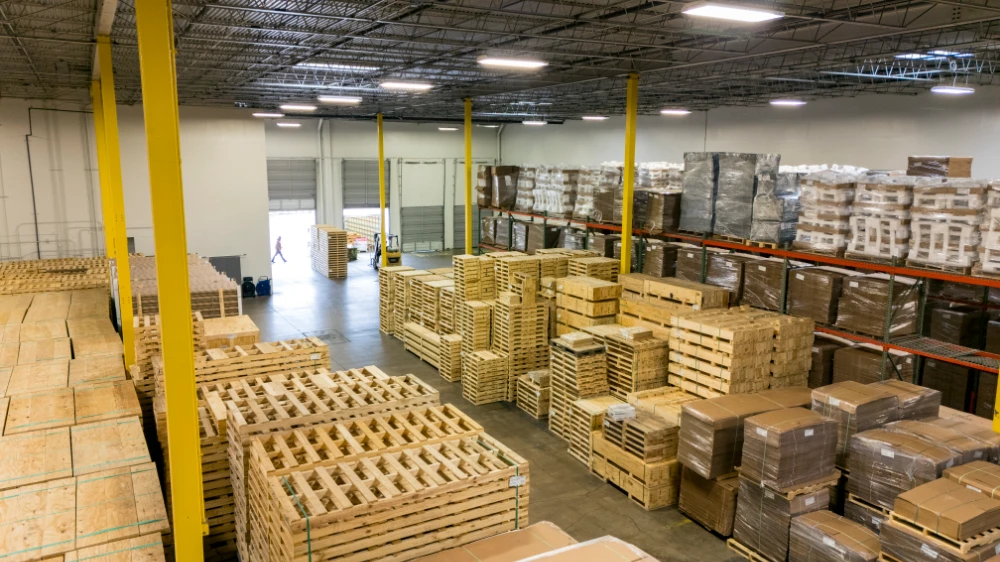
Mistake #5: Weak Packaging for International Transit
Domestic packaging does not survive:
- Long sea journeys
- Multiple handling points
- Extreme climates
Poor packaging damages not just parts—but brand reputation.
Best Practices:
- Export-grade wooden pallets
- Moisture protection
- Clear labeling
- Part number visibility
Mistake #6: Competing Only on Price
Many manufacturers believe lower price = more orders.
In reality, global buyers look for:
- Reliability
- Long-term supply
- Consistency
- Professional communication
Price wars destroy margins and brand value.
Mistake #7: No Digital Presence or Poor Website
In today’s export environment:
If buyers can’t find you online, you don’t exist.
Common mistakes include:
- No website
- Outdated website
- No product information
- No inquiry forms
- No international focus
Mistake #8: Relying Only on Traders or Middlemen
While traders help initially, over-dependence:
- Limits brand growth
- Reduces margins
- Keeps manufacturers invisible to buyers
Manufacturers who want sustainable growth must build direct international presence.
Mistake #9: Slow or Unprofessional Communication
International buyers expect:
- Fast replies
- Clear quotations
- Professional documentation
- Technical clarity
Delayed or unclear responses signal lack of seriousness.
Mistake #10: No Clear Market Entry Strategy
Many manufacturers try to target:
“All countries at the same time”
This leads to:
- Scattered efforts
- No regional expertise
- Weak results
✅ Smarter Approach:
- Start with 2–3 key regions
- Understand local demand
- Build distributor relationships
- Scale gradually
Global demand for JCB aftermarket parts is strong—but success is not automatic.
Conclusion
Manufacturers who fail internationally usually don’t fail because of product quality alone. They fail because of:
- Poor strategy
- Weak presentation
- Lack of market understanding
- Inadequate digital visibility
With the right approach, manufacturers can transform from local suppliers into trusted global partners.
At Lagom Business Development LLP, we help JCB aftermarket parts manufacturers:
- Avoid costly mistakes
- Build international visibility
- Generate quality export leads
- Enter global markets with confidence
📌 Author Note
For manufacturers planning global expansion, strategic digital marketing and export positioning are as important as production capability.