
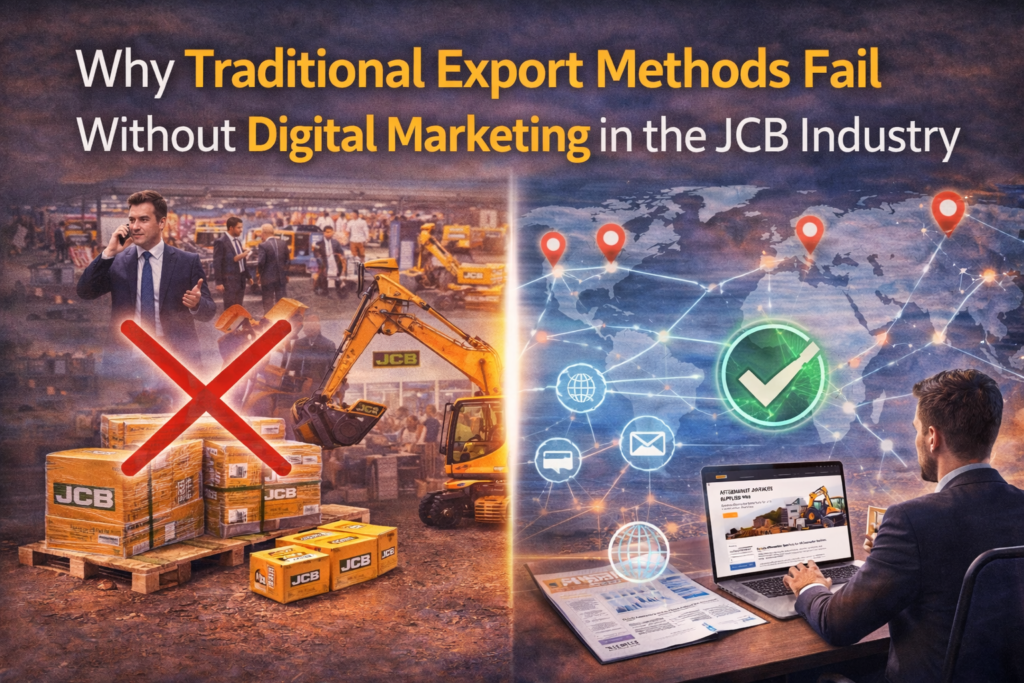
For decades, JCB aftermarket parts manufacturers relied on traditional export methods—trade fairs, agents, cold emails, and word-of-mouth—to reach international buyers. While these approaches once worked, the global buying process has fundamentally changed.
Today’s international buyers are digital-first. They research suppliers online, compare options across countries, and shortlist vendors before ever sending an inquiry. In this new reality, manufacturers who rely only on traditional export methods are finding it increasingly difficult to generate consistent export orders.
This blog explains why traditional export methods fail without digital marketing in the JCB industry, how buyer behavior has changed, and what manufacturers must do to stay competitive in global markets.
How Export Marketing Worked Traditionally
Traditionally, JCB parts exporters depended on:
- Trade exhibitions and expos
- Overseas agents and traders
- Personal references
- Cold calls and emails
- Distributor networks
While these methods created opportunities, they were:
- Expensive
- Time-bound
- Relationship-dependent
- Difficult to scale
Most importantly, they offered limited visibility beyond specific events or contacts.
How International Buyer Behavior Has Changed
Modern international buyers:
- Search suppliers on Google
- Compare multiple countries (India, Turkey, China, Europe)
- Check websites before responding
- Look for proof of credibility online
A buyer today often completes 70–80% of their decision-making online before contacting a supplier.
If a manufacturer has no digital presence, they are simply invisible.
The Decline of Trade Fairs as a Primary Channel
Trade fairs still have value—but they are no longer sufficient on their own.
Limitations of Trade Fairs:
- High cost of participation
- Limited geographic reach
- Short exposure window
- No long-term visibility
Once the exhibition ends, so does your visibility—unless you support it with digital marketing.
Over-Reliance on Traders and Middlemen
Many JCB aftermarket manufacturers depend heavily on traders to access global markets. While traders can help initially, over-reliance causes problems:
- Reduced margins
- No brand recognition
- No direct buyer relationships
- Limited market feedback
Without digital marketing, manufacturers remain hidden behind intermediaries.
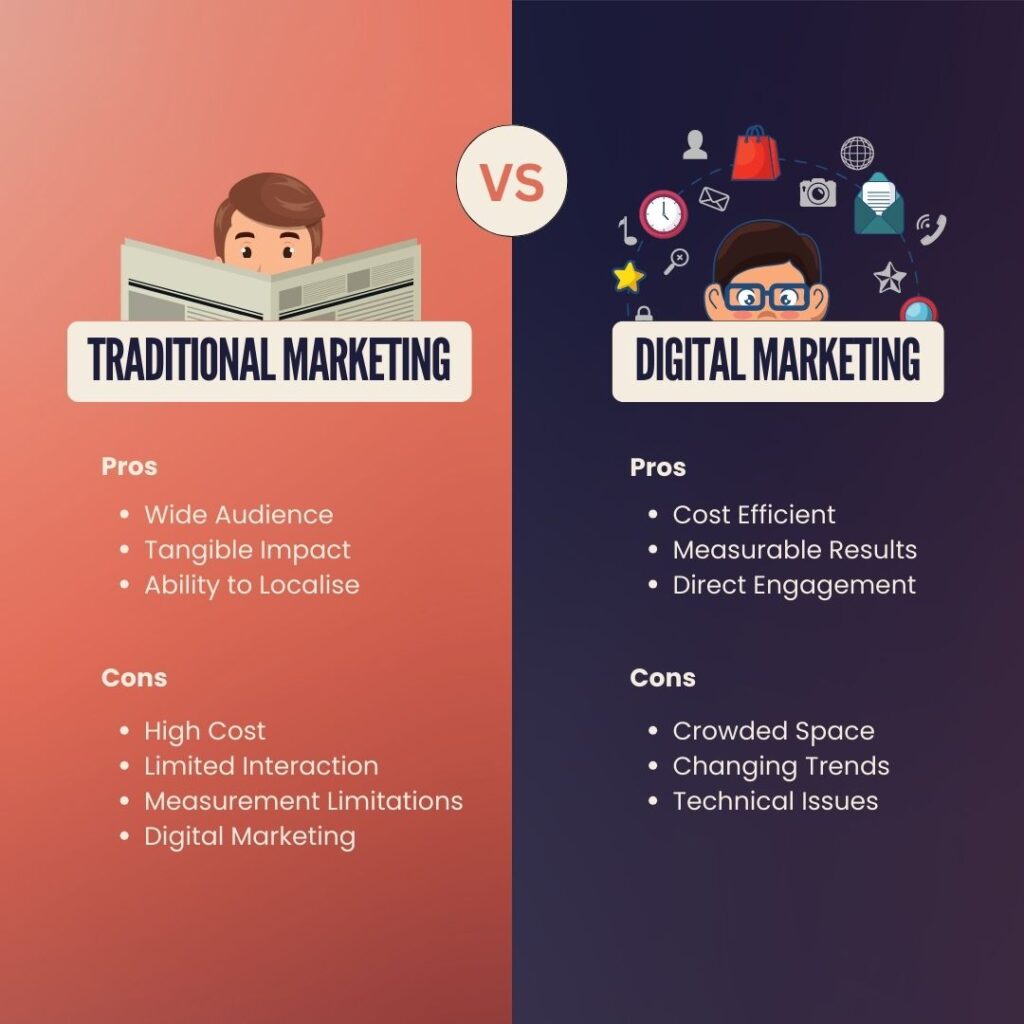
Cold Emails Don’t Work Like They Used To
Unpersonalized cold emails now face:
- Spam filters
- Low open rates
- Trust issues
Buyers are far more likely to respond to a supplier they’ve already researched online.
Digital marketing ensures that when buyers receive your email, they:
“Recognize your company and trust it.”
Why Websites Matter More Than Sales Calls
Your website is your 24/7 export salesperson.
A professional website:
- Explains your product range clearly
- Shows export capability
- Builds confidence instantly
- Captures inbound inquiries
Without a strong website, sales calls and emails lose effectiveness.
Digital Marketing Builds Trust at Scale
Trust is the biggest challenge in international trade.
Digital marketing builds trust through:
- Search visibility
- Informative blogs
- Clear product information
- Professional branding
Traditional methods build trust one buyer at a time.
Digital marketing builds trust globally and continuously.
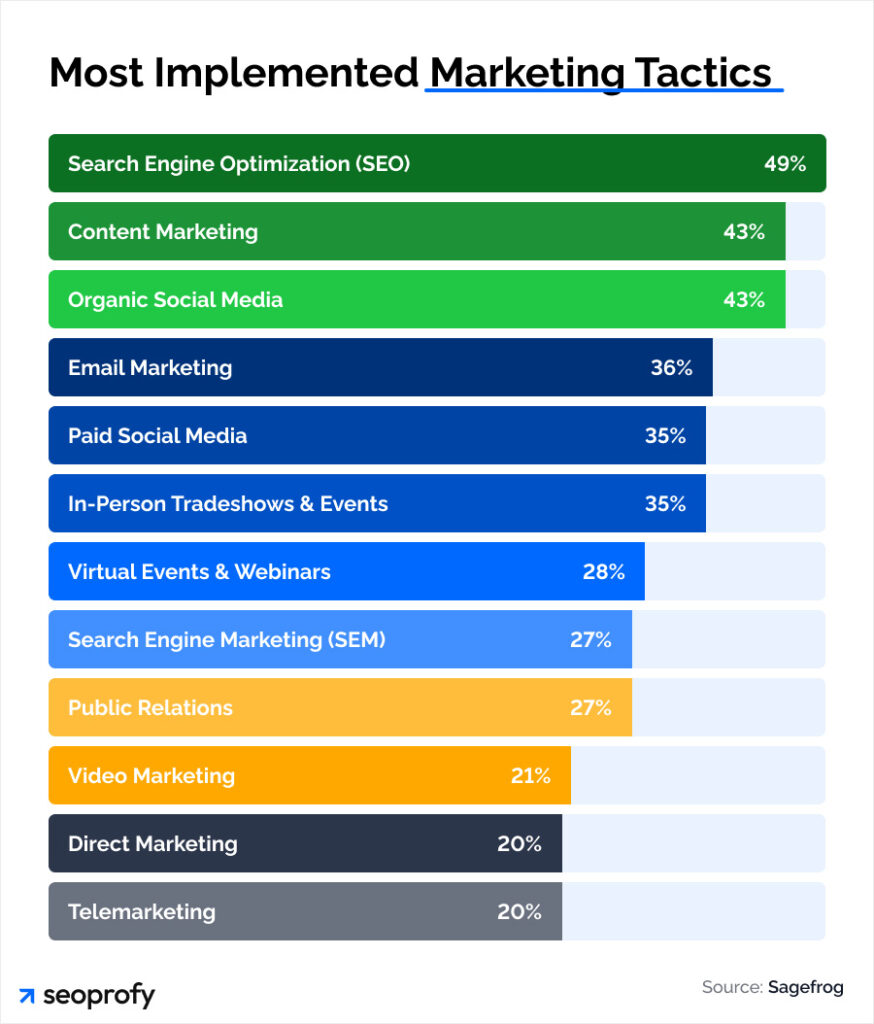
SEO Replaces Guesswork with Inbound Demand
Search Engine Optimization (SEO) allows buyers to find you when they actively need parts.
Examples:
- “JCB aftermarket parts supplier”
- “JCB spare parts exporter”
- “Construction equipment parts manufacturer”
Without SEO, manufacturers rely on outbound chasing instead of inbound demand.
Digital Marketing Shortens the Sales Cycle
Traditional exports often involve:
- Long negotiation cycles
- Multiple follow-ups
- Slow trust-building
Digital marketing pre-educates buyers before contact, resulting in:
- Faster decision-making
- Better-quality inquiries
- Higher conversion rates
Visibility Across Multiple Markets at Once
Traditional methods limit you to:
- One exhibition
- One country
- One distributor
Digital marketing allows manufacturers to:
- Target multiple countries simultaneously
- Test new markets quickly
- Scale without proportional cost increases
Content Marketing Positions You as an Expert
Blogs, guides, and case studies help manufacturers:
- Educate buyers
- Answer common questions
- Reduce buyer hesitation
Content marketing transforms manufacturers from unknown suppliers into trusted industry experts.
Data-Driven Decisions Replace Guesswork
Traditional exports rely heavily on intuition and relationships.
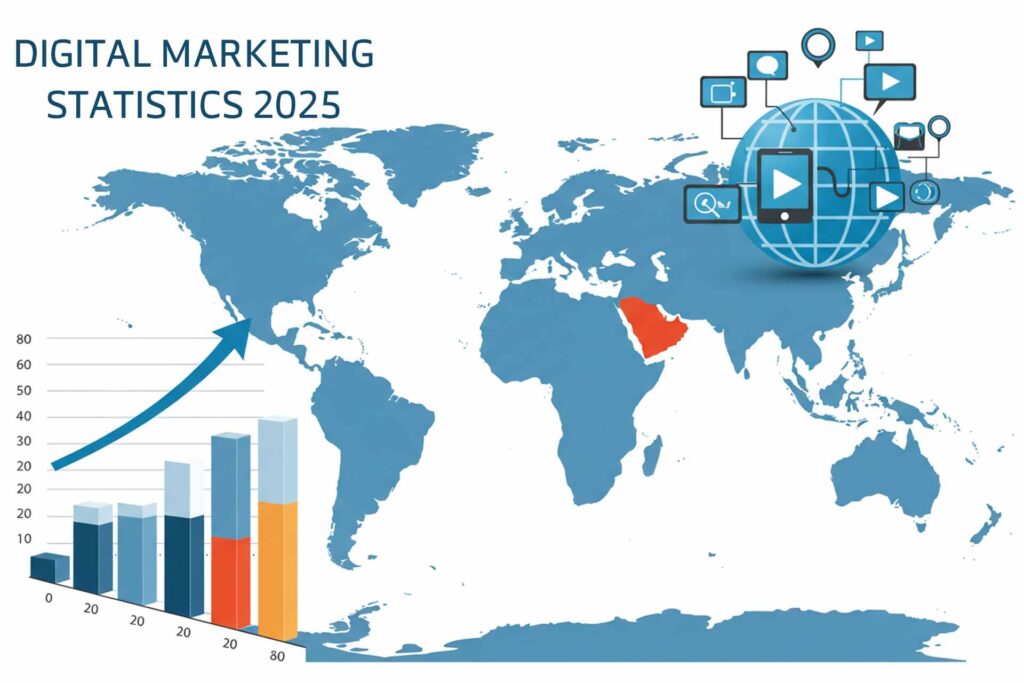
Digital marketing provides data:
- Which countries are searching
- Which products are in demand
- Which content converts buyers
This allows smarter production, pricing, and market focus.
Why Hybrid Strategy Works Best
This does not mean traditional methods are useless.
The most successful manufacturers use a hybrid approach:
- Trade fairs + SEO
- Agents + digital branding
- Personal relationships + inbound leads
Digital marketing amplifies traditional efforts.
Consequences of Ignoring Digital Marketing
Manufacturers who ignore digital marketing face:
- Fewer inquiries
- Lower bargaining power
- Dependence on intermediaries
- Declining visibility
In contrast, digitally visible manufacturers:
- Attract buyers proactively
- Command better margins
- Build long-term brands
The Role of Specialized Digital Marketing Partners
Industrial manufacturers should focus on production and quality.
Digital marketing requires different expertise.
Specialized partners help with:
- Export-focused positioning
- SEO for industrial keywords
- Lead generation systems
- Content and branding
Conclusion
Traditional export methods alone can no longer sustain growth in the JCB aftermarket parts industry. Buyer behavior has shifted, competition has increased, and visibility has become digital.
Manufacturers who combine their strengths with strategic digital marketing:
- Reach global buyers consistently
- Build trust faster
- Reduce dependency on middlemen
- Create scalable export growth
At Lagom Business Development LLP, we help JCB and aftermarket parts manufacturers transition from traditional export dependency to digital-first global growth.